A crawl space has several advantages over basements and slabs:
- It gets the house up off the ground (especially important in damp or pest-prone areas).
- It is a lot less expensive than a basement and comparable in price to a slab. (Sometimes on a slab)
- Duct work, plumbing, and electrical wiring run in the crawl space, meaning that they are easy to service and move over the lifetime of the house.
We are Central Kentucky’s Number 1 And Voted Best Water Damage Restoration Company Or Service.
One problem that arises in crawl spaces and basements is dampness. In order to keep moisture out, perforated pipe and gravel are used in a trench around the crawlspace known as a French drain to route water away. The drainage system looks like this:
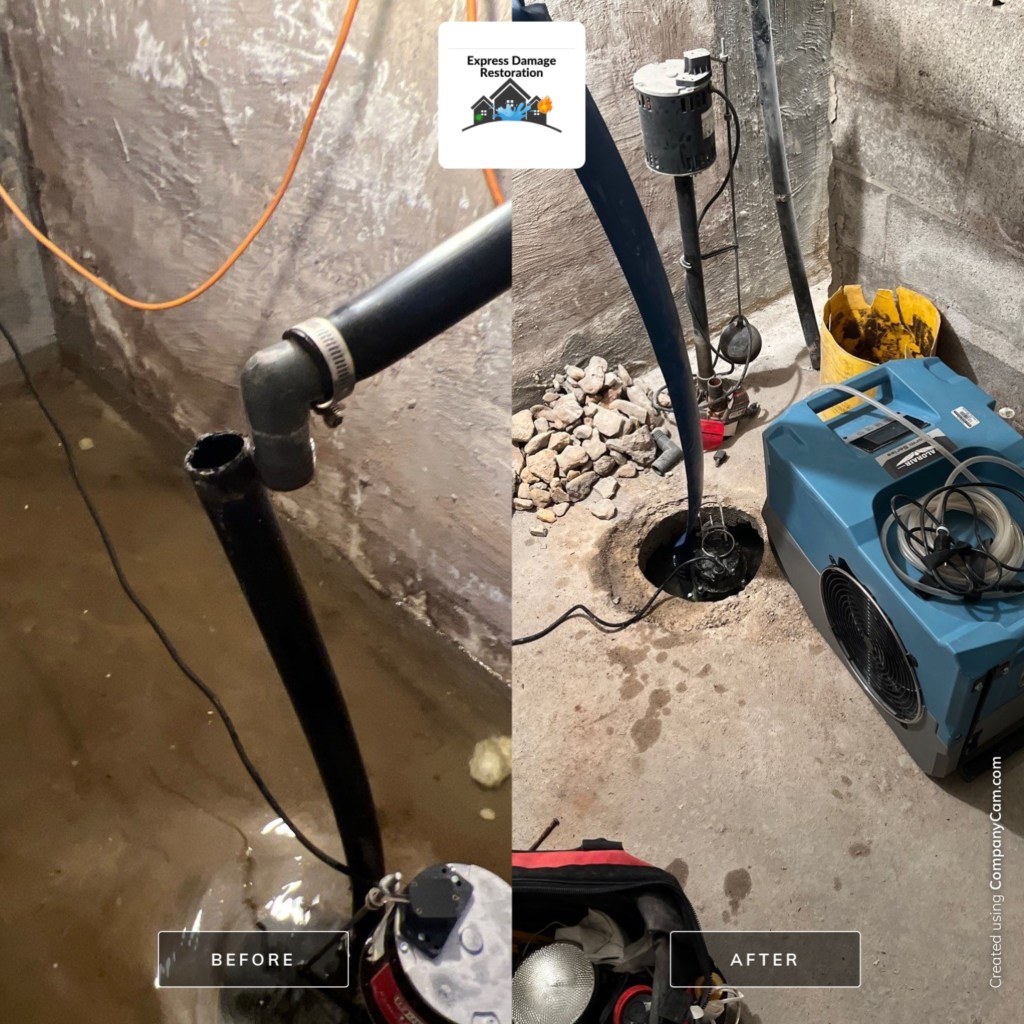
In a house with a basement, this same sort of drainage system is added along the bottom of the walls. The basement walls are then generally insulated with rigid foam board and then heavily waterproofed before dirt is backfilled against the walls.
Services :
Water Damage Mitigation
Water Damage Restoration
Water Damage Cleanup
Water Restoration
Water Mitigation
Flood Cleanup
Water Extraction
Carpet Cleaning
Crawlspace Water Damage
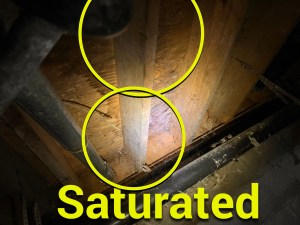
Once you have water damage in a crawlspace, it can sit there for months or years without being noticed. This standing water can erode a home’s foundation, rot the wooden beams and joists, and create mold and mildew issues that impact the air quality within your home.
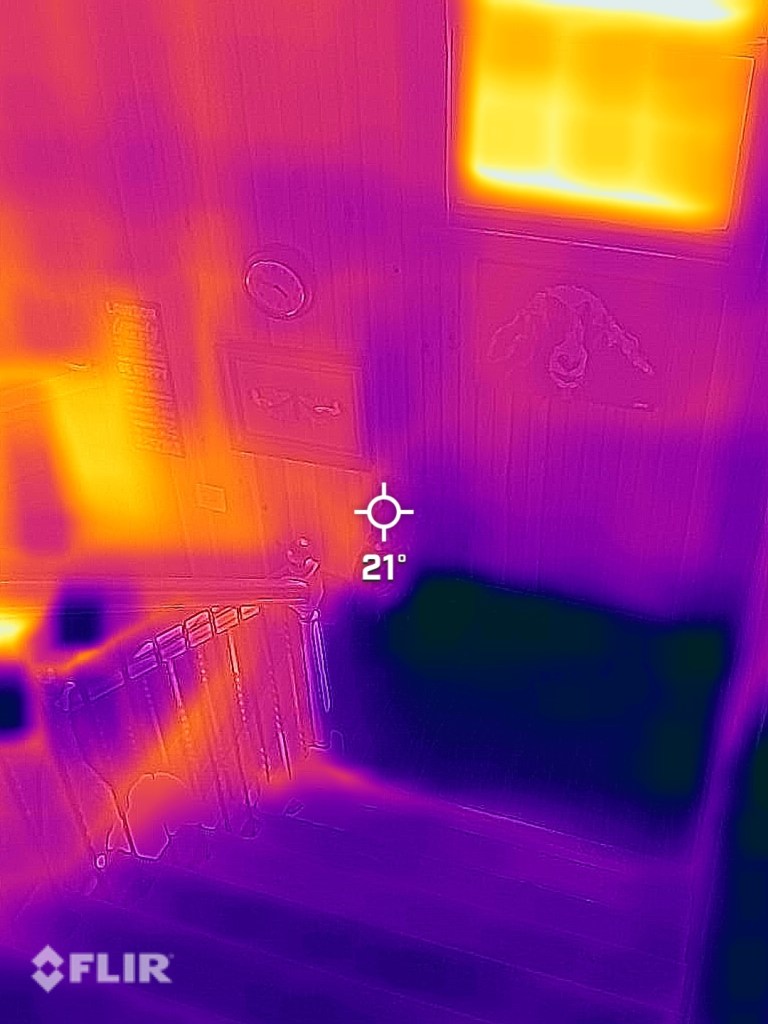
We have certified specialists who use very high tech meters and other instruments to find hidden water damage. Like the image below.
Crawlspace Encapsulation
Crawlspace Encapsulation
Have you checked on your home’s crawl space lately? It’s June 6 2022.
Many homeowners often overlook the importance of their home’s crawl space. Until there’s a problem going on with it. Often times excess moisture will accumulate for a variety of reasons.
• Inadequate Crawlspace Ventilation
• Water Intrusion From Outside
• Water Intrusion From The Living Area Above.
• Atmospheric Destabilization
Crawlspaces without encapsulation have increased; moisture damage, mold, and pest infestations, atmospheric destabilization to name a few situations.
The solution is to encapsulate your crawl space, but what is crawlspace encapsulation?
Here’s everything you need to know about crawl space encapsulation and how it can benefit your home.
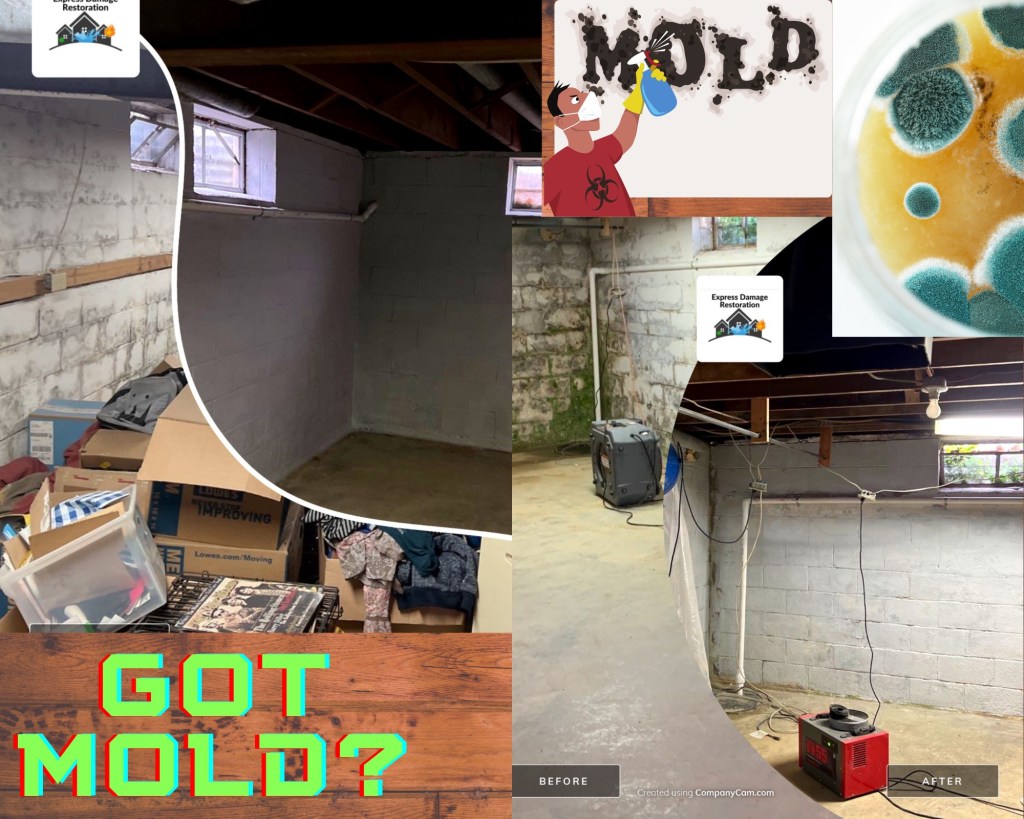
Full Scale Crawlspace Encapsulation Or Basement Encapsulation
Full crawlspace encapsulation entails: sealing all subfloor, floor joists, structural members, and laying minimum 6mil poly throughout the floor are of the crawlspace.
What Is Crawl Space Encapsulation?
A crawl space is an area underneath your home that’s similar to a basement. The difference is a crawl space has outside ventilation.
Unlike a basement, most crawlspaces vary in height from two feet to around standing height. They may consist of a concrete or a dirt floor.
Crawl spaces offer convenience and affordability during the building stages of a house. During the building process, the crawl space negates the need for a level concrete slab. Crawl spaces also offer a space to install your Hvac equipment.
The problem with a crawlspace is that opened vents can allow moisture and pests to enter your home.
This is where crawl space encapsulation comes in handy.
If this is a new concept, you’re probably wondering, “what does it mean to encapsulate a crawl space?”
Crawl space encapsulation is a process of lining your crawl space with polyurethane. The polyurethane barrier covers and seals the floors, walls, and, in some cases, the ceiling of your crawl space.
This barrier is similar to the lining you’ll find in some home swimming pools. Heavy-duty sealing tape seam tape seals and connects the barrier pieces.
By encapsulating your crawl space, you’ll reduce water damage and prevent unwanted pests from entering your home. Some crawl space professionals will recommend adding a dehumidifier to keep moisture levels low.
Who Needs to Encapsulate Their Crawl Space?
Anyone with an open or aging crawl space can benefit from adding crawl space encapsulation. Here are a few of the most common reasons homeowners will invest in encapsulating their crawl space:
- Prevent water damage
- Prevent the microbial growth
- Prevent the growth and smell of mildew
- Lower home heating and cooling costs
- Prevent condensation windows
- Prevent damage to the foundation and structural
- Eliminate the risk of pest infestations and mold colonization
Adding crawl space encapsulation will improve the air quality in your home while improving healthy living conditions. Encapsulation will improve the structural integrity of your foundation and structural and moisture memebers. It does this by preventing water from building up along the foundation of your home.
You can enjoy hardwood and tile floors that are comfortable to walk on all year around. Encapsulation adds a layer of insulation that keeps your floors warmer during the winter months.
Finally, encapsulating your crawl space will boost the value of your home. It offers alot of great benefits by making your home safer and more comfortable to live in.
Crawl Space Encapsulation Materials
Before you begin, you should note there are different types of crawl space encapsulation materials and methods available.
The most popular encapsulation material is the heavy-duty plastic mentioned earlier. This barrier comes in a variety of thicknesses, ranging from 6-mil to 20-mil.
The most durable and effective option is the 20-mil option. With poly thinker is better.Your crawl space contractor will recommend a tear-resistant and anti-microbial barrier finish. This will prevent mold and mildew from growing while ensuring the barrier resists the most wear and tear.
Other materials include insulation, which also comes in a variety of types and sizes. The most common types of insulation include:
- Fiberglass batt insulation
- Closed-cell spray foam
- Open-cell spray foam
- Rigid foam insulation
- Paper faced batt insulation
- Foil faced batt insulation
A professional crawlspace contractor can help you find the right type of insulation for your crawl space. To save money, they recommend insulating only the crawl space ceiling and floor joists, rather than the entire crawl space.
The final materials needed include sealing seam tape, fasteners, and drainage systems. dehumidifiers are a great recommendation to prevent moisture buildup after you encapsulate your crawl space.
How Do You Encapsulate a Crawl Space?
The next part in learning what is crawl space encapsulation is understanding the installation process.
Most crawl space contractors will follow a similar process when encapsulating your crawl space. They’ll start by repairing and preparing your crawl space before installing the vapor barrier. Any water intrusion or water damage source must be remediated first.
- The first step is to have a contractor visit and assess the current state of your crawl space. They’ll be able to make recommendations on the best type of encapsulation and any other required needs.
- After determining the best crawl space solution, the contractor will remove old insulation, fix any issues, moisture and things of that nature, and eliminate any pests.
- Before they lay the polyethylene barrier, crawl space professionals will add a layer of spray-on insulation. This insulation will seal vents, holes, and gaps around air ducts and pipes. To control any moisture from coming in through the atmosphere.
- After sealing everything, the crawl space encapsulation professionals will start applying the heavy-duty vapor barrier. They’ll secure this to the walls and floor (sometimes the ceiling) to encapsulate and seal the crawl space.
- A crawl space professional will use sealing seam tape and fasteners to attach and seal the barrier in place. The barrier will wrap and seal around pillars and piers in your crawl space.
- Once everything is in place, they may recommend adding a dehumidifier. The dehumidifier will keep moisture levels below 50% to keep your crawl space at recommended moisture levels.
Depending on your unique crawlspace needs, the entire process can take anywhere from one day to a week. If, for example, your crawlspace is in good condition, you can expect the process to take one to days.
What Is the Average Cost of Crawl Space Encapsulation?
The cost to encapsulate your crawl space will ultimately depend on the condition and size of your crawl space.
The amount of debtis in the crawl space.
On average, you can expect to pay anywhere from $4500,000 to over $9,000 for professional crawl space encapsulation services.
The quality of materials, size of your crawl space, and labor will affect the cost of crawl space encapsulation.
Different contractors will use different levels of materials. Contractors using high-quality materials will have higher costs than those using low-quality materials.
Other items will influence the cost of encapsulation. These include the number of barrier layers and items such as sump pumps and dehumidifiers. Each extra feature will cause material and labor costs to rise.
You can get the most accurate cost by requesting a quote from your contractor.
Crawl Space Encapsulation Pros and Cons
Investing in crawl space encapsulation in your home is never a bad investment. Encapsulation will always boost the value of your house while making it a safer and more pleasant place to live.
Pros
Crawl space encapsulation offers valuable benefits. Here are a few reasons why it’s worth the investment.
Prevent Moisture
Moisture that seeps into your crawl space will lead to many problems. When left unchecked, moisture can compromise the structural integrity of the joists, beams, and foundation of your home.
Moisture will cause your wooden floor joists and beams to expand and warp over time. This moisture will cause the wood to rot as fungus, mold, and mildew start to grow. You will need to replace any features affected by wood rot, which can be an expensive and time-consuming process.
As moisture enters your crawl space, it can cause the concrete of your foundation to shift and crack.
Pair a dehumidifier to keep moisture levels low and prevent these problems.
Prevent Mold and Mildew
Unconditioned crawl spaces harbor moisture. As this moisture continues to build up, mold, mildew, and fungus will start to grow.
Mildew causes a foul odor that can make its way into your home. Mold and fungus are worse, as they will affect the air quality of your home,and can cause serious health problems.
Crawl space encapsulation will prevent microbial growth, mold, mildew, and fungus from growing in your home. Left edit
Cons
There’s no doubt the pros of crawlspace encapsulation outweigh the cons. Here are few cons of crawlspace encapsulation you should be aware of.
Upfront Cost
Crawl space encapsulation is an investment. As mentioned, the upfront costs start at around $4500$
This cost, however, will save you money on expensive repairs to your crawl space.
Crawlspace Maintenance
After you’ve added crawlspace encapsulation to your home, it will require some maintenance to ensure it’s working properly.
You can perform some maintenance checks yourself, but it’s always best to have a certified professional inspect it for you.
HVAC Upgrades
Crawl space encapsulation will limit some airflow to your home and crawl space. This may prevent sufficient oxygen and airflow for a combustion-based furnace.
In this case, you will need to update your HVAC system to ensure it’s safe and efficient to run in an encapsulated crawl space.
Save Your House with Crawl Space Encapsulation
What is crawl space encapsulation or crawlspace restoration?
This is the question many homeowners have. Crawl space encapsulation is a process of sealing your crawl space to make your home more energy-efficient and a safer place to live.
Do you want to enjoy the benefits of crawl space encapsulation by E.D.R Request an estimate now! We’re happy to help you with any of your crawl space encapsulation or basement sealant needs.
 Central Kentucky’s Number 1 IICRC Certified Water Damage Restoration Company